Digital Artifacts
The route, 1998
- 01 Philippines Palawan, beaches, the overnight ferry
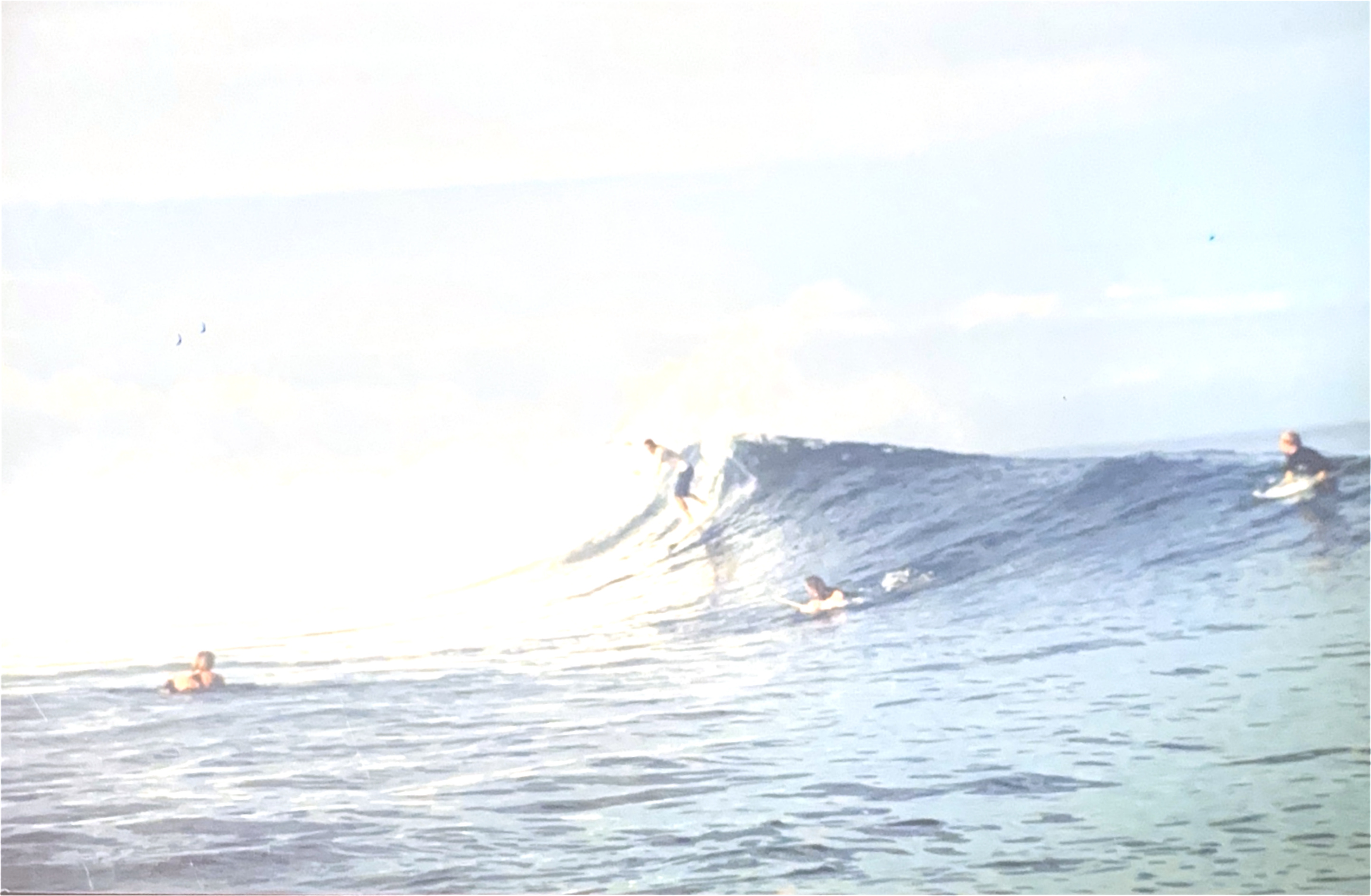
- 02 Indonesia Lakey Peak, Sumbawa, the Periscopes swell
- 03 Australia returning somewhere familiar, differently
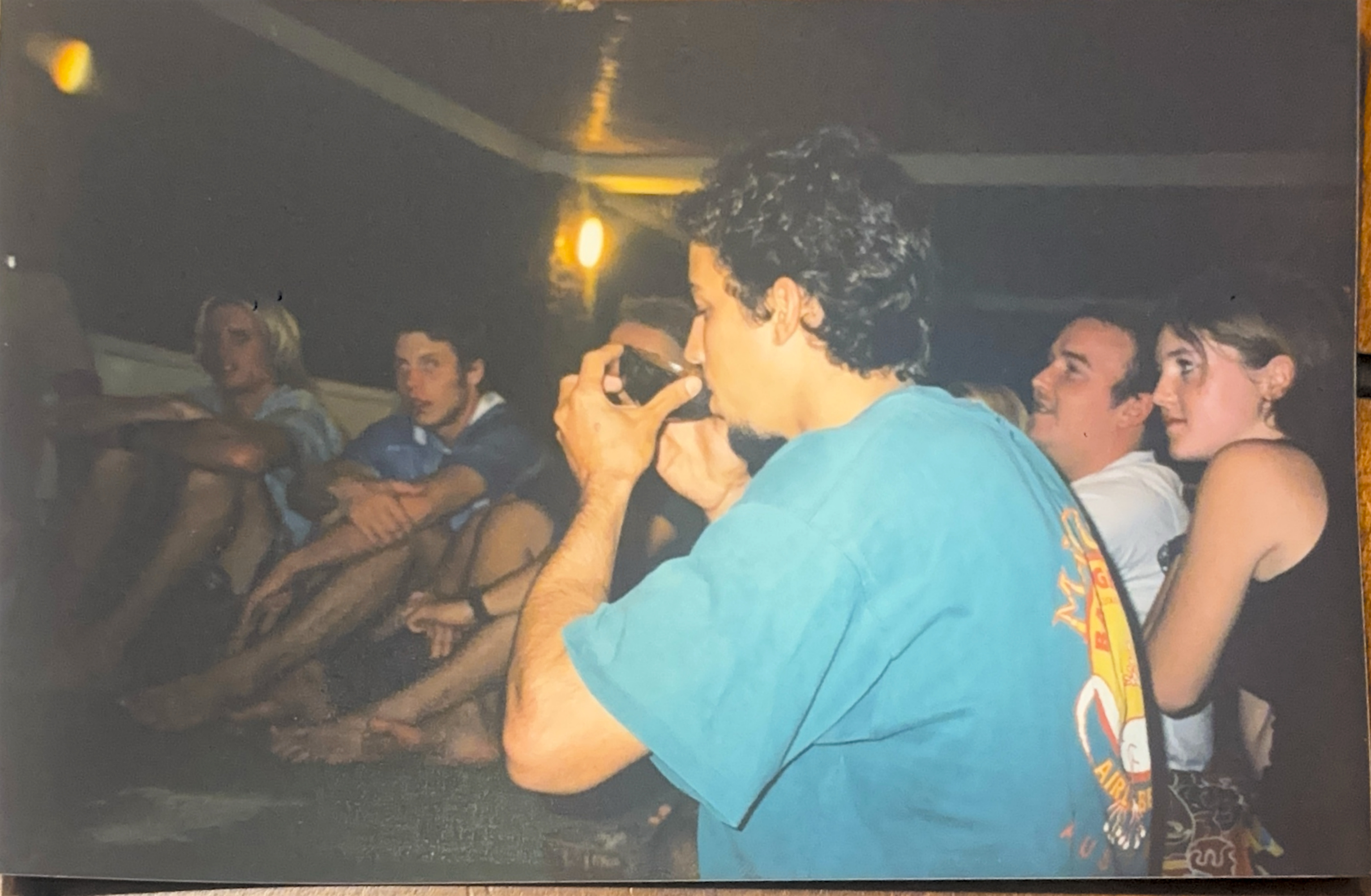
- 04 Fiji the island, the kava, the first vegetables
An Oral Memoir Podcast
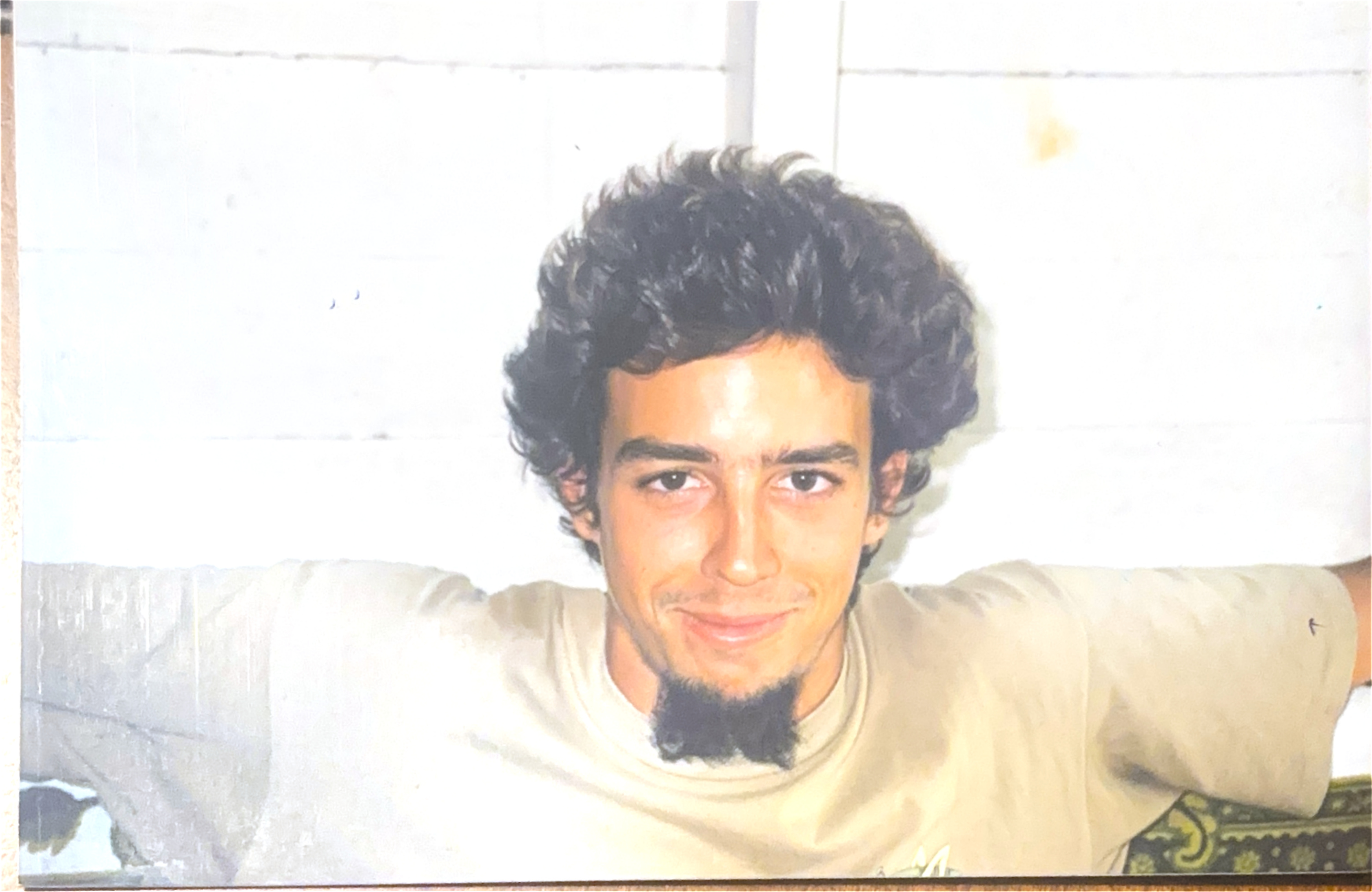
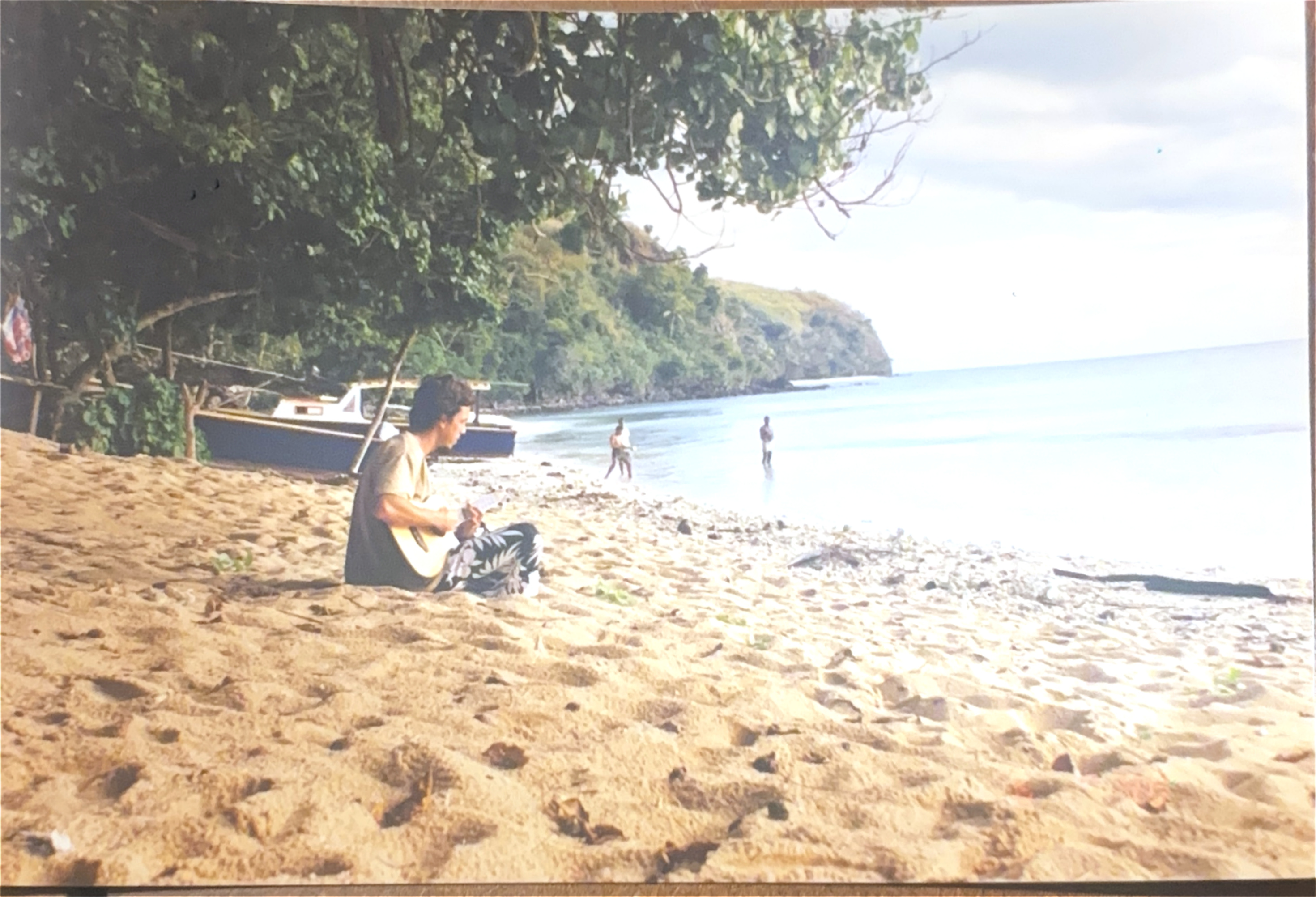
When he finished college, he already had the job. He bought two surfboards and a guitar instead, and left. The Philippines, Indonesia, Australia, Fiji. The trip was not a detour. It was the education.
Listen ↓The Podcast
A 20-minute audio story, told in his voice and mine.
Runtime: ~20 min · Recorded 2026 · Miami, FL
The Story
My dad finished college in California in the fall of 1997. He had a plan: drive cross country to Miami, go to work at his father's landscaping business. A clear next step with someone waiting for him at the other end. He was twenty-one. Most people at twenty-one are just trying to do the next logical thing.
He did not do the next logical thing. He bought two surfboards and a three-quarter Ovation guitar, and he bought plane tickets instead. The Philippines. Indonesia. Australia. Fiji. January through June, 1998. Six months, a camera, and those two things he actually loved.
I am seventeen now. I needed to know what he was looking for out there, and whether he found it. Because the answer, as far as I can tell, is that he was not looking for anything specific. He just went. And the trip found him something anyway: a diver dying on a ferry in Palawan before the boat had even left the dock. A swell at Lakey Peak that humbled him in ten seconds flat. A kava ceremony on a Fijian island where, starving from the boat crossing, he ate vegetables for the first time in his life. Each of those moments was teaching him something about the body, about impermanence, about paying attention. He did not have a name for the subject yet.
He came home in the summer of 1998 and went to work for his dad. Then he started studying Traditional Chinese Medicine. Acupuncture. The body as a system rather than a machine. On the surface, a California surfer with a guitar ending up in medicine makes no sense. But it makes complete sense if you were paying attention to the trip.
The wandering was not the detour. It was the point.
Digital Artifacts
Statement of Goals & Attribution
Statement of Goals: I set out to understand what my father was actually looking for when he left for the Pacific at twenty-one, and whether the answer had anything to do with who he became. The thematic realization I was after: the trip was not a detour from his real life. It was the curriculum for it.
Interview: Original interview conducted by Rio Costa with Michael Costa, June 2026, Miami, FL.
Music: Acoustic fingerpicked guitar. YouTube Audio Library, royalty-free. Creative Commons license, free for reuse.
Sound effects: Ocean waves, tropical birds. Pixabay Audio, royalty-free. Pixabay Content License, free for reuse.
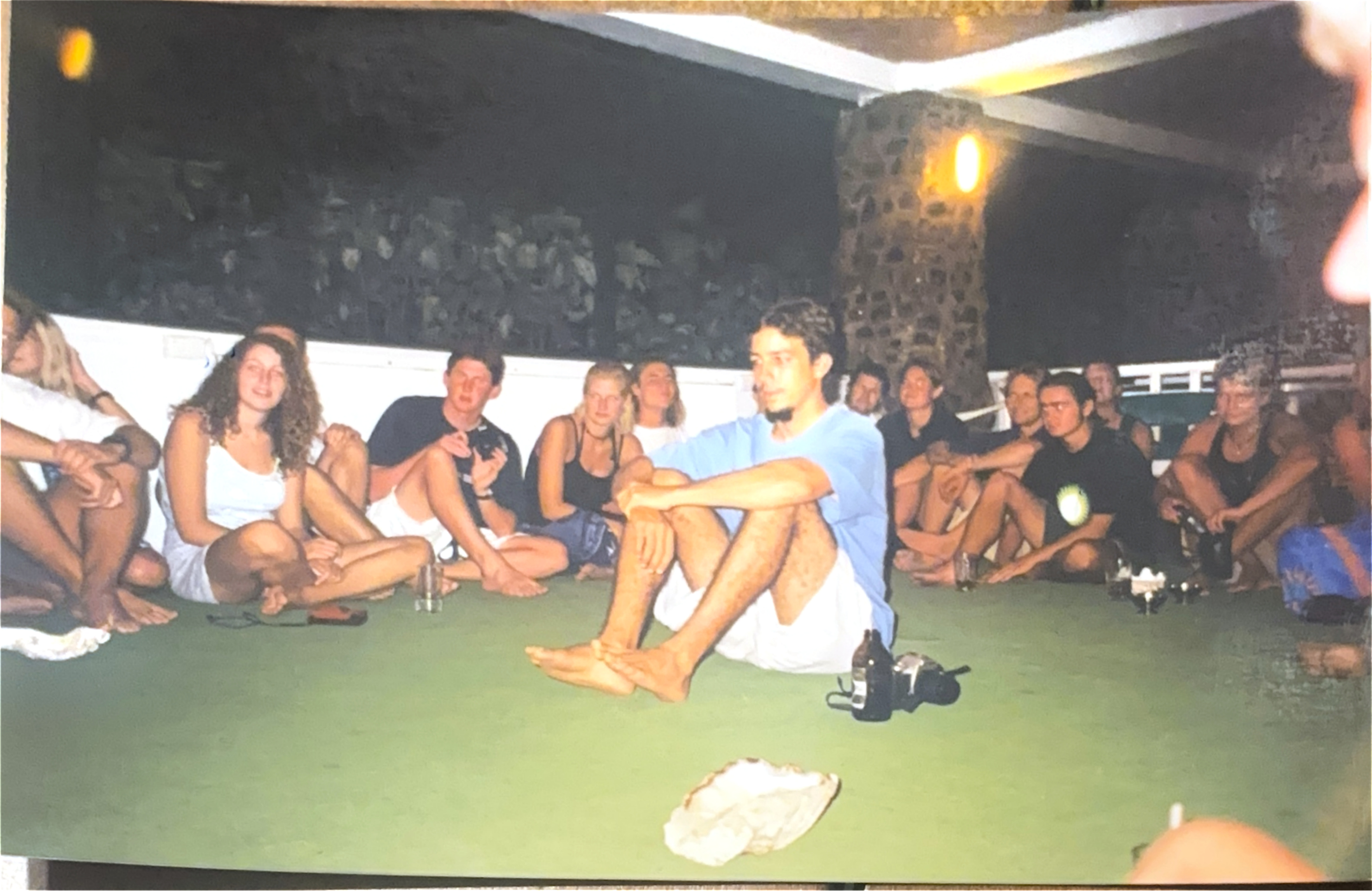
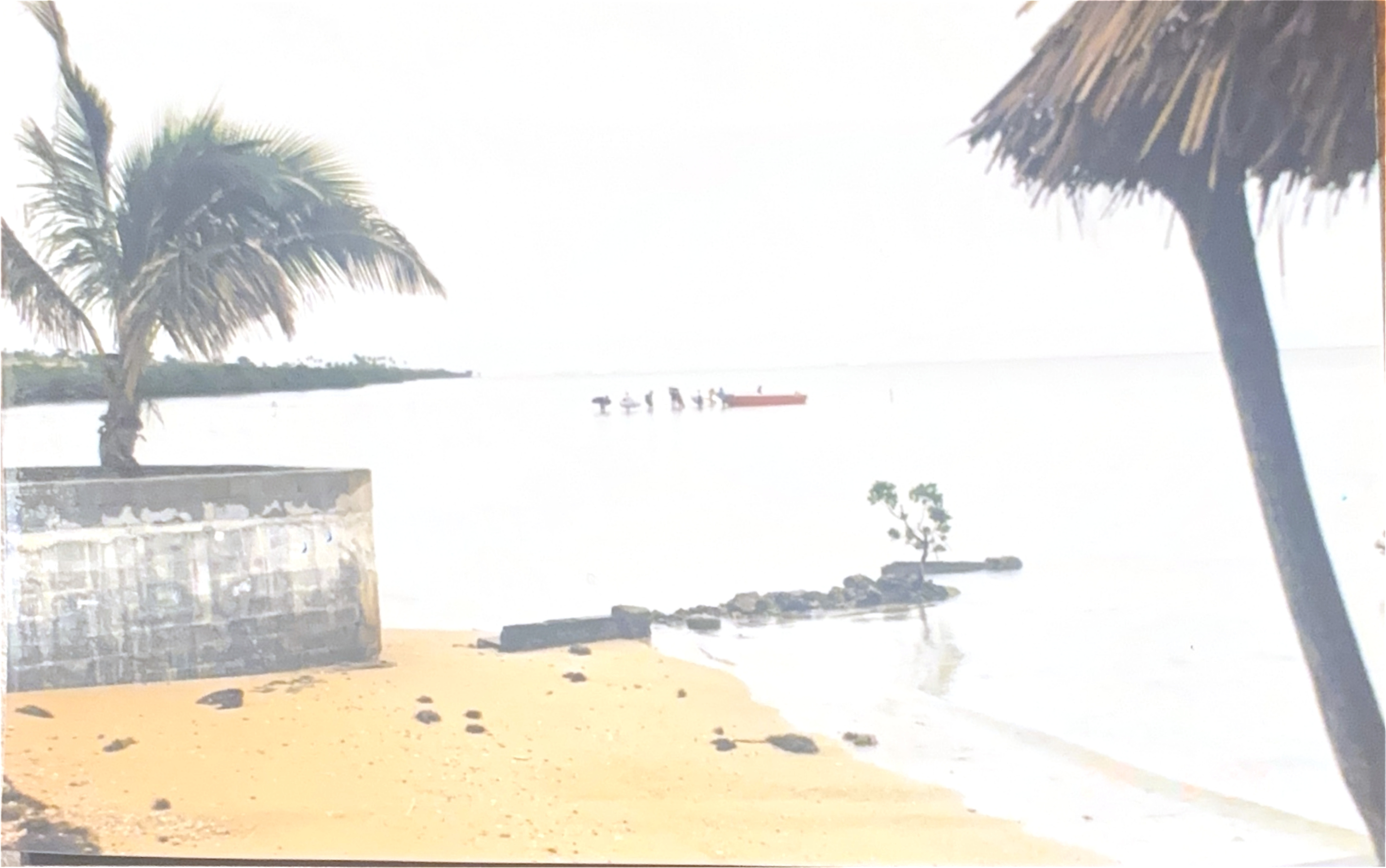
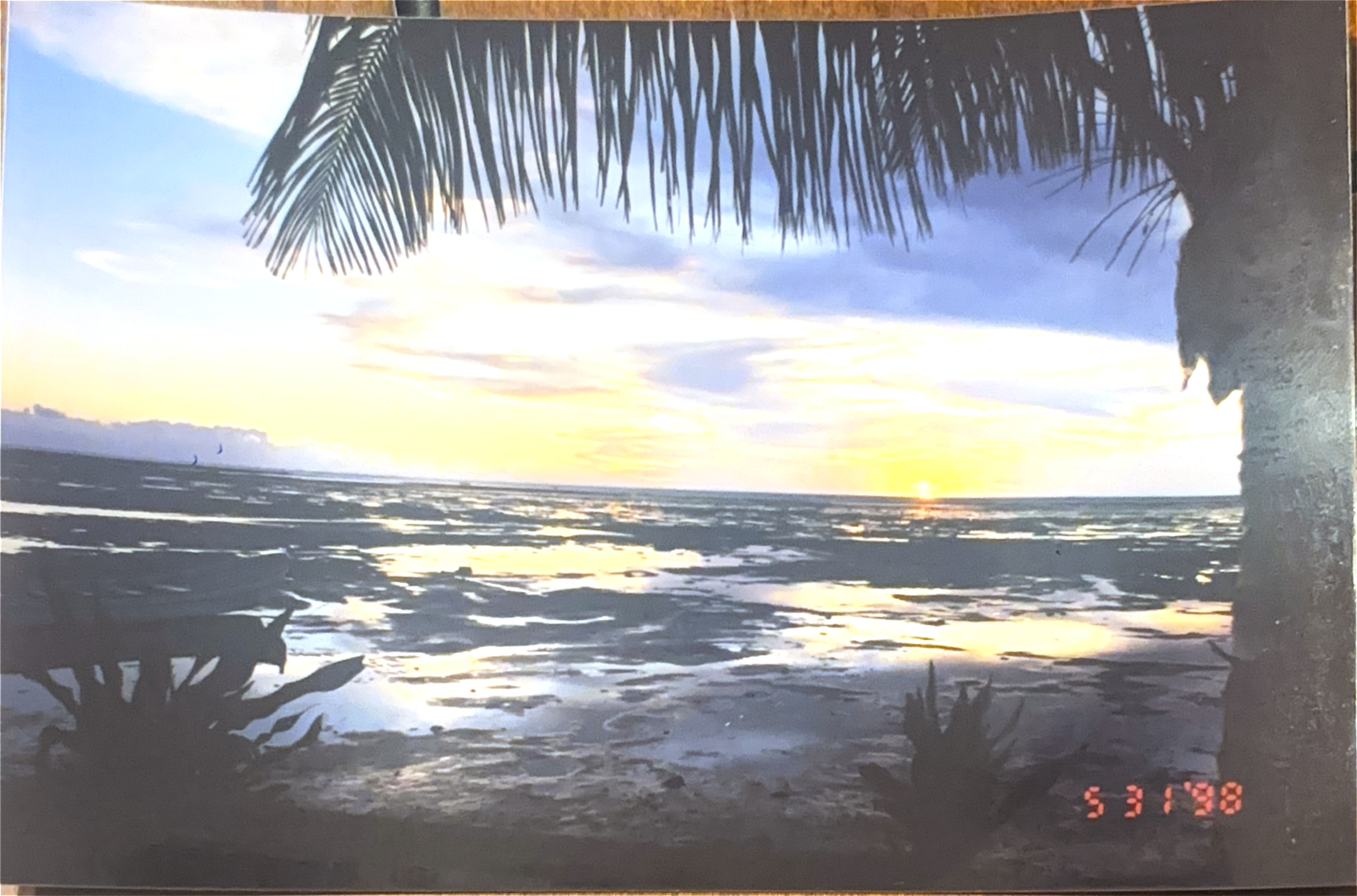
Photos: All photos courtesy of family archive, 1998. Scanned 2026.
Mentor text: Eduardo Barreto, Rebel with a Cause: A Cuban in the Congo (2025).